

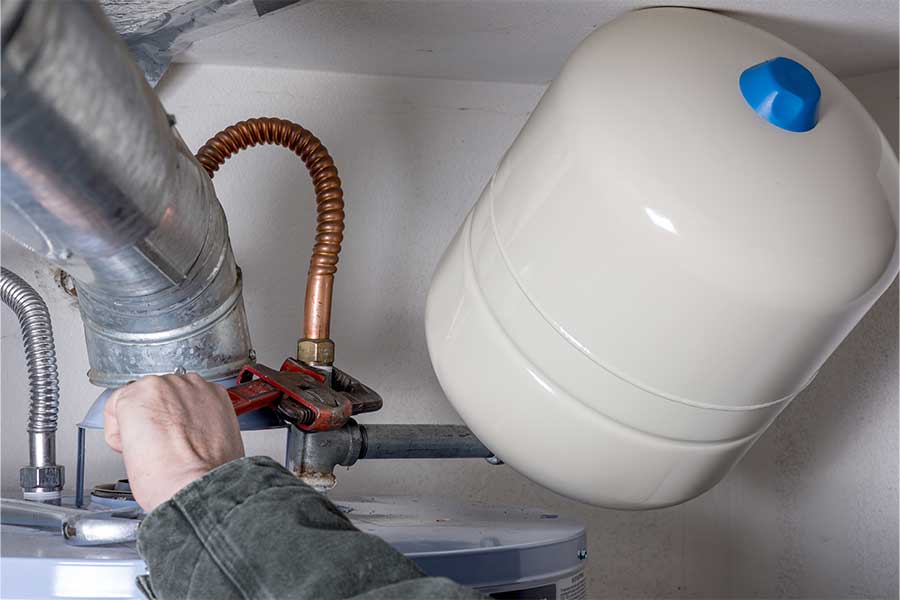
Maintaining your water heater is vital for efficiency, safety, and comfort. Regular inspections, timely repairs, and proper settings can extend its lifespan and save you money. However, many homeowners overlook essential maintenance tasks, which can lead to costly issues down the line. Understanding what your unit needs and recognizing the signs of trouble can make all the difference. Are you aware of the simple steps that can keep your water heater in top shape?
Understanding Your Water Heater: Types and Components
When it comes to water heaters, understanding the different types and components can make a big difference in your home’s efficiency.
You’ve got two main types: tank and tankless. Tank water heaters store hot water and can run out if you have a large demand, while tankless systems heat water on demand, providing an endless supply, but often at a higher upfront cost.
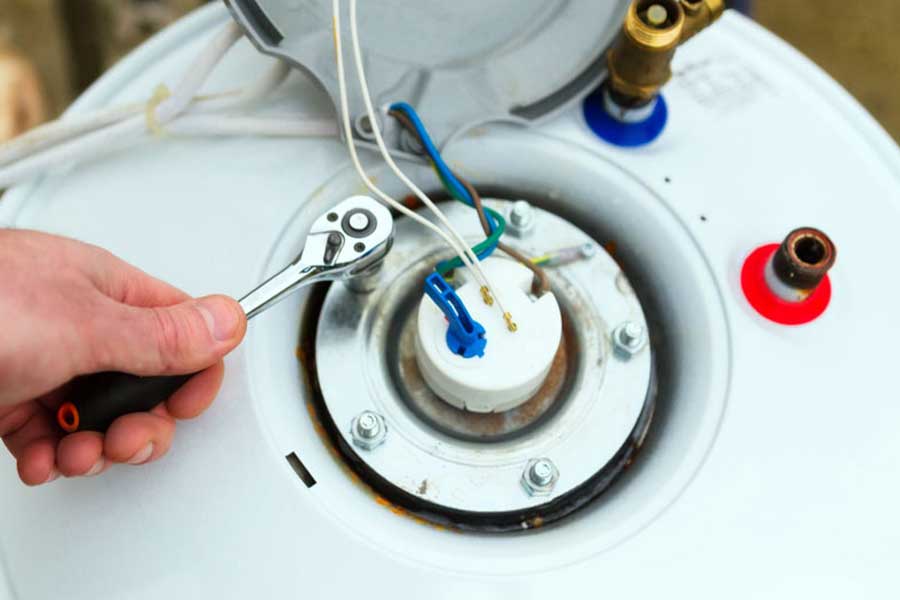
Familiarize yourself with key components like the thermostat, heating element, and pressure relief valve. The thermostat regulates the water temperature, while the heating element heats it. The pressure relief valve prevents excess pressure buildup, ensuring safety.
Knowing these features helps you troubleshoot and identify potential issues. If you notice inconsistent temperatures or strange noises, you can pinpoint the problem instead of waiting for a breakdown. If you’re considering upgrading to a more efficient system, exploring tankless water heater services can provide you with modern solutions that deliver endless hot water.
Being informed empowers you to make smart decisions about repairs or when it’s time for an upgrade.
Regular Maintenance Practices for Longevity
Understanding your water heater’s components lays the groundwork for effective maintenance practices that can extend its lifespan.
Start by flushing your tank annually to remove sediment buildup, which can reduce efficiency. Check the temperature setting; keeping it at 120°F balances comfort and energy savings. Inspect the anode rod every couple of years; replacing it can prevent tank corrosion.
Don’t forget to examine the pressure relief valve for leaks and proper function to guarantee safety. Regularly check for signs of leaks or rust, and address any issues immediately.
Insulating your pipes can also enhance efficiency, saving you money on energy bills. Finally, schedule professional maintenance at least once a year. This proactive approach helps catch potential problems early, guaranteeing your water heater operates smoothly for years to come. By following these simple practices, you’ll enjoy reliable hot water while extending the life of your unit.
Signs Your Water Heater Needs Repair
How can you tell if your water heater is on the fritz? Look for a few key signs that indicate it may need repair.
First, if you notice inconsistent water temperatures or if your hot water runs out too quickly, something’s off.
Strange noises, like popping or rumbling, often signal sediment buildup, which can affect efficiency.
Also, keep an eye out for leaks around the unit; any pooling water is a red flag.
Discolored water or a metallic taste can suggest corrosion within the tank, meaning it’s time to call for help.
If you’re experiencing a foul odor, it could indicate bacterial growth.
Finally, if your water heater is older than 10-15 years, it may simply be reaching the end of its lifespan.
Don’t ignore these signs—addressing issues early with professional water heater repair can save you time, money, and unnecessary headaches in the long run.
DIY Troubleshooting Tips for Common Issues
If you’ve noticed signs that your water heater might need repair, don’t panic just yet.
Start by checking the power supply; verify the heater’s plugged in and the circuit breaker isn’t tripped. If you have a gas heater, confirm that the pilot light is lit. If it’s out, follow the manufacturer’s instructions to relight it safely.
Next, inspect the temperature setting. It should typically be set between 120°F and 140°F. If you’re experiencing inconsistent hot water, consider flushing the tank to remove sediment buildup that can affect efficiency.
Listen for unusual noises like popping or rumbling; these may indicate mineral buildup.
Finally, check for leaks around the tank and pipes—tighten any loose fittings. If basic troubleshooting doesn’t resolve the issue or if your unit is beyond its expected lifespan, it may be time to explore water heater replacement services to ensure your home has reliable hot water.
When to Call a Professional for Repairs
When should you call in a professional for water heater repairs? If you notice any of the following issues, it’s time to reach out for help.
Attempting to fix complex problems yourself can lead to further damage or safety hazards.
- Your water heater is leaking.
- You hear unusual noises, like popping or rumbling.
- Water temperature fluctuates dramatically or doesn’t heat up at all.
- You notice a strange smell or discoloration in the water.
At Purple Turtle Heat Pumps, we recognize that water heater issues can disrupt your daily routine.
Our team is dedicated to providing reliable, honest service, ensuring your home stays comfortable without the stress.
If you encounter any of these signs, don’t hesitate to call a professional.
We’re here to take the burden off your shoulders and get your water heater back in top shape.
Protect Your Home’s Hot Water Supply
To sum up, taking care of your water heater can save you time, money, and hassle in the long run. Remember, “an ounce of prevention is worth a pound of cure.” By following these essential maintenance tips, you’ll guarantee your water heater runs efficiently and lasts longer. Keep an eye out for signs of trouble, and don’t hesitate to reach out for professional help when needed. Your comfort and peace of mind are worth it! Ready to ensure your water heater is performing at its best? Contact Purple Turtle Heat Pumps today for expert maintenance and repair services that keep your home comfortable year-round.