


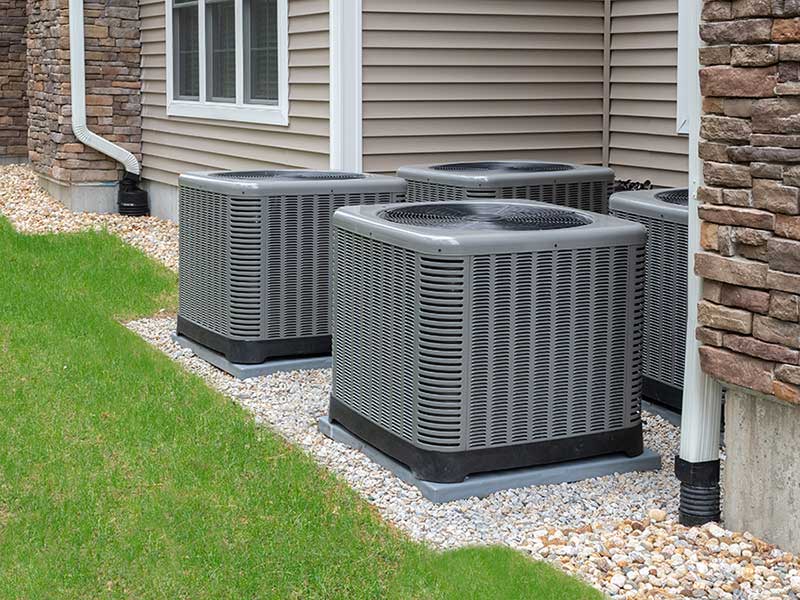
If you’re considering ways to enhance your home’s comfort and efficiency, installing a heat pump might be worth your attention. These systems provide effective heating and cooling and promise energy savings that significantly reduce utility bills. Beyond just cost efficiency, heat pumps contribute to a healthier indoor environment and require less maintenance compared to traditional systems. As you explore your options, you might be surprised by the range of benefits beyond mere comfort and savings. So, what other advantages could a heat pump bring to your home?
Energy Efficiency
When you consider installing a heat pump, you’ll quickly discover its remarkable energy efficiency. Heat pumps transfer heat rather than generate it, which means they use considerably less energy than traditional heating systems. This efficiency translates into lower energy consumption, making it a smart choice for environmentally conscious homeowners.
One of the key benefits of a heat pump is its ability to provide both heating and cooling. Utilizing the same system for multiple functions minimizes the need for additional equipment, enhancing energy savings. Moreover, modern heat pumps often come with advanced technologies, such as variable-speed compressors, that optimize performance based on your home’s needs.
Cost Savings
Heat pumps enhance energy efficiency and lead to considerable cost savings over time. By transferring heat rather than generating it, heat pumps require less energy to heat and cool your home. This efficiency translates into lower utility bills, often reducing monthly costs considerably.
In fact, compared to traditional systems, you can expect savings of up to 50% on your heating and cooling expenses. Additionally, many heat pumps qualify for government rebates or incentives, reducing your initial investment. Over time, these savings can offset the installation costs, making heat pumps a financially sound choice.
Moreover, heat pumps have fewer moving parts than conventional systems, so they often require less maintenance, which means lower repair costs in the long run. Investing in a heat pump means immediate savings and contributes to long-term financial stability for your household.
Choosing a heat pump helps you save money while promoting energy efficiency. This balance of cost savings and sustainability makes heat pumps an excellent option for homeowners looking to optimize their home’s energy use.
Year-Round Comfort
Choosing a heat pump guarantees year-round comfort in your home, as these systems efficiently provide heating and cooling. Unlike traditional HVAC systems, heat pumps transfer heat rather than generate it, making them incredibly efficient. During the winter, they extract heat from the outside air and move it indoors, ensuring you stay warm without excessive energy consumption. In the summer, the process reverses, cooling your home effectively.
Heat pumps maintain consistent temperatures, reducing the fluctuations often experienced with conventional heating and cooling systems. This stability enhances comfort and improves indoor air quality, as heat pumps usually include filtration systems that reduce allergens and pollutants.
With advanced technology, modern heat pumps are designed to operate quietly, ensuring your home remains a peaceful sanctuary. Plus, they require less maintenance than traditional systems, further contributing to your comfort by minimizing disruptions.
Environmental Impact
Installing a heat pump considerably reduces your home’s carbon footprint, as these systems use renewable energy sources to provide heating and cooling. Unlike traditional fossil fuel systems, heat pumps transfer heat rather than generate it, greatly decreasing greenhouse gas emissions. When you switch to a heat pump, you’re not just making a smart choice for your home but also contributing to a larger effort to protect the environment.
Heat pumps rely on electricity, which can be generated from renewable sources like wind, solar, and hydro. This change to cleaner energy reduces reliance on non-renewable resources. Additionally, heat pumps lower energy consumption by improving energy efficiency, leading to less demand on power plants. As a result, your home becomes part of a sustainable ecosystem.
Low Maintenance
One of the standout benefits of a heat pump is its low maintenance requirement. Unlike traditional heating systems, heat pumps are designed to operate efficiently with minimal attention. You can focus more on serving others and less on home upkeep. Here are some key maintenance aspects to take into account:
- Filter Replacement: Change or clean filters every 1-3 months for peak performance.
- Annual Check-Up: Schedule a professional inspection once a year to verify that everything functions smoothly.
- Coil Cleaning: Clean the evaporator and condenser coils every few years to maintain efficiency.
- Drainage Inspection: Regularly check the condensate drain for clogs to prevent water damage.
- Outdoor Unit Care: To guarantee proper airflow, keep the outdoor unit clear of debris like leaves and snow.
Versatile Applications
Heat pumps offer versatile applications that cater to various heating and cooling needs in residential and commercial settings. Whether you want to heat your home during colder months or cool it down in the summer, a heat pump can efficiently manage both tasks. This dual functionality makes it an ideal solution for year-round comfort.
In addition to temperature control, heat pumps can also be utilized for specific applications like pool heating, providing you with a warm, inviting swimming environment without the need for separate heating systems. Furthermore, they can serve as a supplemental heating source in homes with existing systems, enhancing overall efficiency and reducing energy costs.
For businesses, heat pumps can maintain optimal conditions in office spaces, ensuring productivity and comfort for employees. They can also be integrated into various commercial applications, including restaurants and retail spaces, where consistent climate control is vital for staff and customers.
Improved Indoor Air Quality
While many homeowners prioritize temperature control, improving indoor air quality is another notable benefit of heat pumps. These systems don’t just regulate your home’s climate; they also help filter and circulate the air, creating a healthier living environment. Using advanced filtration technologies, heat pumps can considerably reduce pollutants and allergens.
Here are some key ways heat pumps enhance indoor air quality:
- Reduction of Allergens: Filters capture dust, pollen, and pet dander.
- Humidity Control: Maintains ideal moisture levels, preventing mold growth.
- Fresh Air Circulation: Constantly cycles air, ensuring stale air is replaced.
- Minimal Emissions: Unlike traditional systems, heat pumps produce fewer harmful emissions.
- Quiet Operation: Many models operate quietly, allowing for a more serene environment.
Quiet Operation
When considering a heat pump, you’ll appreciate its quiet operation, which allows for a peaceful home environment. Unlike traditional heating and cooling systems, heat pumps operate at lower noise levels, making them ideal for residential settings. The advanced technology in modern heat pumps minimizes sound production, ensuring you won’t be distracted by loud mechanical noises.
This quiet operation is particularly beneficial when you and your family are trying to sleep during nighttime hours. You won’t have to worry about disruptive sounds waking you up or disturbing your peace. The reduced noise levels can enhance your home’s overall comfort, allowing you to relax and enjoy your space fully.
Moreover, a heat pump’s quiet function doesn’t compromise its efficiency. You can maintain a comfortable indoor climate without the constant hum of traditional HVAC systems. This feature is especially valuable in open-concept homes where sound can carry easily. By choosing a heat pump, you’re investing in energy efficiency and tranquility for your living environment.
Increased Property Value
Installing a heat pump can considerably boost your property’s value, often making it a more attractive option for potential buyers. This increase in value stems from several key features that modern heat pumps provide:
- Energy Efficiency: Reduces utility costs, appealing to eco-conscious buyers.
- Year-Round Comfort: Provides both heating and cooling, enhancing livability.
- Low Maintenance: Typically requires less upkeep than traditional systems, saving future owners time and money.
- Quiet Operation: Creates a peaceful indoor environment, a significant selling point.
- Smart Technology Compatibility: Integrates with home automation systems, attracting tech-savvy buyers.
These factors improve your home’s marketability and signal a commitment to modern, energy-efficient living. As more buyers prioritize sustainability and lower operating costs, a heat pump positions your property as a forward-thinking choice. When you’re ready to sell, potential buyers will likely recognize the long-term savings and comfort a heat pump offers, making your home stand out in a competitive market. Investing in a heat pump today can yield significant returns tomorrow, ultimately effectively serving you and future homeowners.
Government Incentives
Government incentives can substantially offset the initial costs of installing a heat pump, making it a more accessible option for homeowners. These incentives often come in the form of tax credits, rebates, or grants designed to encourage energy-efficient upgrades. By taking advantage of these programs, you can substantially reduce your upfront investment and enhance your home’s energy efficiency.
Many local and federal programs offer financial assistance for heat pump installations. For instance, you might qualify for rebates from your utility company or tax credits from the federal government. Researching available incentives in your area can uncover valuable opportunities.
Additionally, some provinces have specific initiatives to promote renewable energy solutions, which can further reduce the cost burden of installation. Applying for these incentives is often straightforward; you may need to provide documentation like proof of purchase or installation.
Conclusion
Installing a heat pump in your home is a smart choice with numerous advantages. You’ll enjoy energy efficiency and cost savings while ensuring year-round comfort. Plus, the eco-friendly nature of heat pumps helps reduce your carbon footprint and may qualify you for government incentives. With low maintenance needs, improved indoor air quality, and quiet operation, a heat pump enhances your living environment and increases your property value, making it a worthwhile investment.
Frequently Asked Questions
How Long Does a Heat Pump Typically Last?
With proper maintenance, a heat pump typically lasts 15 to 20 years. Regular check-ups and timely repairs can extend its lifespan, ensuring you enjoy efficient heating and cooling for years without unexpected issues.
What Size Heat Pump Do I Need for My Home?
To determine the correct size heat pump for your home, calculate the square footage, consider insulation quality, and evaluate the local climate. Consulting a professional guarantees you select an efficient system tailored to your needs.
Can Heat Pumps Work in Very Cold Climates?
Yes, heat pumps can work in very cold climates. They’re designed to extract heat from the outside air, even in low temperatures, ensuring efficient heating. You just need to select a model rated for your region’s conditions.
Are Heat Pumps Noisy During Operation?
Yes, heat pumps can produce noise during operation, but most modern units are designed to minimize sound. Quieter models are available, ensuring comfort without excessive noise disrupting your home environment.
What Is the Installation Process for a Heat Pump?
The installation process for a heat pump involves evaluating your home, selecting the right system, preparing the site, connecting electrical and refrigerant lines, and testing the unit to guarantee peak performance and efficiency before finalizing.