


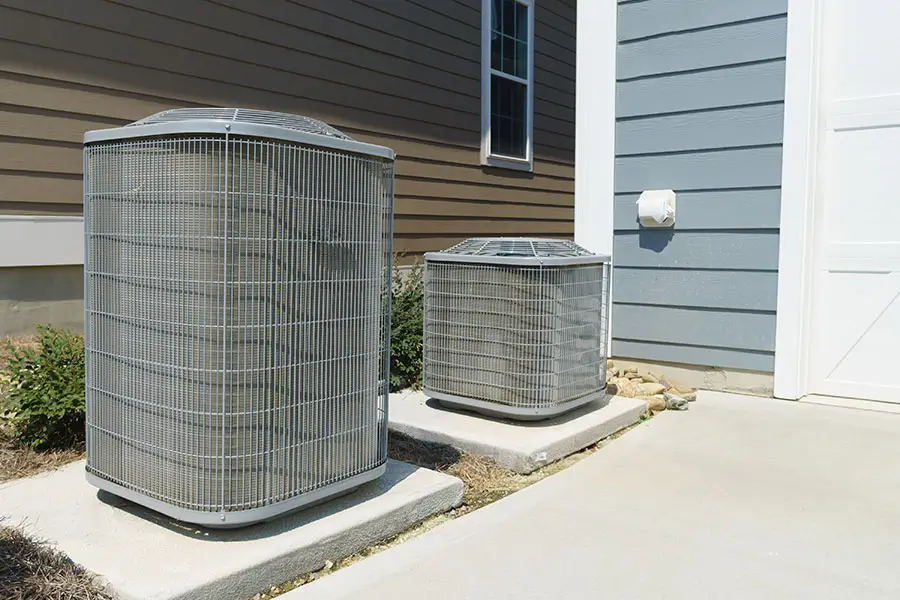
It can be frustrating if your AC is blowing warm air, especially during hot days. First, check the thermostat settings to ensure it’s in ‘cool’ mode and set lower than the current room temperature. Then, look at the air filters—clogs can restrict airflow markedly. Don’t forget to check the outdoor unit for any debris blocking it. However, if these quick checks don’t fix the problem, you might want to explore other possibilities that could affect your cooling system’s performance.
Common Causes of Warm Air
It can be frustrating when your AC starts blowing warm air, especially during hot weather. Several common causes may lead to this issue, and identifying them can help you restore comfort quickly.
First, check the air filter. A clogged filter restricts airflow, causing the system to struggle and blow warm air. Regular maintenance involves replacing or cleaning the filter every one to three months.
Next, examine the refrigerant levels. Low refrigerant due to leaks can prevent your AC from cooling effectively. If you suspect a refrigerant leak, contacting a professional for repairs is crucial, as handling refrigerants requires specialized knowledge and tools.
Another potential cause is a malfunctioning compressor. This component is necessary for circulating refrigerant throughout the system. If the compressor isn’t working properly, it can lead to warm air output.
Lastly, inspect the outdoor unit for debris. A blockage can hinder heat exchange, causing inefficiency. Regularly cleaning the area around your unit promotes top performance. By addressing these common causes, you’ll be one step closer to enjoying a cool, comfortable environment once again.
Check the Thermostat Settings
Verifying your thermostat settings is essential after checking the air filter and inspecting refrigerant levels. Start by confirming your thermostat is set to ‘cool’ mode. Sometimes, it’s easy to accidentally switch to ‘heat’ mode, especially during seasonal changes.
Next, check the temperature setting. If it’s set higher than the current room temperature, your AC won’t activate. Adjust it to a lower temperature, ideally a few degrees below the ambient temperature.
If your thermostat is programmable, confirm that it hasn’t been set to a schedule that prevents cooling during certain hours. Also, check the batteries’ functioning to see if they are battery-operated models; weak batteries can lead to inaccurate readings and system malfunctions.
Don’t overlook the possibility of a malfunctioning thermostat. If you’ve adjusted the settings but are still experiencing warm air, it may need recalibration, thermostat repair, or replacement.
Inspect the Air Filter
Inspecting the air filter is essential for ensuring your AC operates efficiently, as a clogged or dirty filter can restrict airflow and cause the system to blow warm air. Regularly checking and replacing the air filter improves your comfort and prolongs your AC unit’s lifespan. Here’s what you should keep in mind:
- Frequency: Check your filter every month, especially during peak usage seasons.
- Type: Know your system’s filter; some may need replacement every few months, while others can last up to a year.
- Signs of Clogging: Look for visible dirt, dust buildup, or a noticeable drop in airflow from your vents.
- Impact on Efficiency: A clean filter can increase your AC’s efficiency by allowing it to operate without strain.
Examine the Outdoor Unit
A properly functioning outdoor unit is essential for your AC’s performance, especially if you’ve already checked the air filter. Start by inspecting the unit for any visible issues. Look for debris around the unit, such as leaves or dirt, that could obstruct airflow. Confirm at least two feet of clearance on all sides to promote proper air circulation.
Next, check the power supply. Ensure the unit is plugged in and the circuit breaker hasn’t tripped. If it has tripped, reset it and monitor if it trips again. This could indicate an electrical issue or an overloaded system.
Also, listen for unusual noises when the unit is running. Strange sounds can signal mechanical problems that require further attention. Finally, examine the unit for damage or corrosion, particularly around the refrigerant lines.
Clean the Condenser Coils
Since clean condenser coils are essential to your AC’s efficiency, neglecting them can lead to warm air blowing through your vents. Dust, dirt, and debris can accumulate on the coils, hindering heat exchange and causing your system to work harder. This affects performance and can lead to increased energy costs and potential breakdowns.
To maintain peak cooling, follow these steps to clean your condenser coils:
- Turn Off Power: Always disconnect power to your AC unit before performing maintenance.
- Remove Debris: Clear leaves, grass, and other debris around the outdoor unit.
- Use a Coil Cleaner: To remove grime, apply a commercial coil cleaner or a mixture of water and mild detergent.
- Rinse Thoroughly: Rinse the coils gently with a garden hose after allowing the cleaner to sit.
Verify Refrigerant Levels
Before you can determine why your AC is blowing warm air, verifying the refrigerant levels in your system is crucial. Low refrigerant levels can hinder your AC’s ability to cool effectively. To check this, locate the service valves on your outdoor unit. You’ll need a pressure gauge designed for refrigerants, which can be found at hardware stores.
Attach the gauge to the low-pressure service port. The reading will help you assess whether your refrigerant levels are adequate. Ideally, the pressure should match the specifications indicated on the unit’s label. If the reading is considerably lower, this indicates a refrigerant leak or insufficient charging.
If you suspect a leak, it’s best to contact a professional HVAC technician. Handling refrigerants requires proper certification and equipment to guarantee safety and compliance with environmental regulations. Never recharge the system yourself, as overcharging can lead to issues.
Your AC should resume cooling effectively once you verify and rectify the refrigerant levels. Regular maintenance checks can prevent refrigerant issues from recurring, guaranteeing your system operates efficiently throughout the warmer months.
Inspect Ductwork for Leaks
When your AC blows warm air, inspecting the ductwork for leaks is essential, as even small gaps can significantly impact your system’s cooling efficiency. Leaky ducts allow cool air to escape, making your AC work harder and increasing energy costs. Follow these steps to identify and address any leaks:
- Visual Inspection: Look for signs of wear, such as holes, loose connections, or tears in the duct material.
- Feel for Airflow: Run your hand along the duct seams and joints. If you feel air escaping, you’ve likely found a leak.
- Use a Smoke Test: Introduce smoke or incense near the ducts. If the smoke sways, a leak is present.
- Listen for Noise: Unusual hissing or whistling sounds can indicate air escaping from leaks.
Once you’ve located the leaks, seal them with duct tape or mastic sealant for a quick fix. Keep in mind that persistent issues may require professional assistance. Ensuring your ductwork is airtight enhances your AC’s efficiency, resulting in improved comfort and lower energy bills.
Look for Blocked Vents
After checking for leaks in your ductwork, the next step is to look for blocked vents. Blocked vents can significantly hinder your air conditioning system’s performance and lead to warm air blowing into your home. Start by inspecting each vent in your living space. Check for any obstructions, such as furniture, curtains, or debris, blocking airflow. Even small items can restrict airflow, leading to uneven cooling.
Next, remove any dust or dirt buildup from the vent grilles. Use a vacuum or a damp cloth to clean the surfaces, ensuring unobstructed airflow. If you notice any closed or partially open vents, adjust them to the desired position to optimize airflow throughout your home.
Additionally, consider inspecting your return vents. These are essential for maintaining balanced airflow; any blockages here can affect your entire system’s efficiency. Make sure they’re clear and unobstructed.
Check for Electrical Issues
Electrical issues can often be the culprit behind your AC blowing warm air. It’s vital to check the electrical components to ensure everything functions correctly. Here are some key areas to inspect:
- Thermostat Settings: Verify your thermostat is set to “cool” and the temperature is lower than the current room temperature.
- Circuit Breaker: Check the circuit breaker to see if it has tripped. If it has, reset it and monitor your AC’s performance.
- Fuses: Inspect any fuses related to the AC unit. A blown fuse can interrupt power and affect cooling.
- Wiring Connections: Look for any loose or damaged wiring connections. These can create disruptions in the electrical flow.
If you find any issues during your inspection, it’s essential to address them promptly. Sometimes, tightening a loose wire or replacing a blown fuse can restore proper function. However, prioritize safety; if you’re unsure about handling electrical components, it’s best to consult a professional. Taking these steps can help you troubleshoot and potentially resolve the problem of your AC blowing warm air.
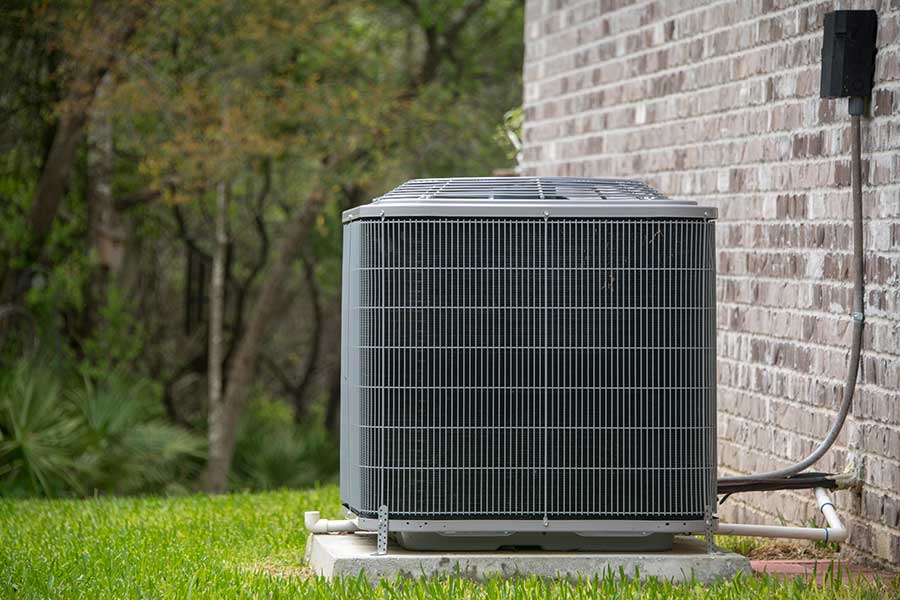
When to Call a Professional
If your troubleshooting efforts haven’t resolved the issue and your AC continues to blow warm air, it’s time to call a professional. Ignoring the problem can lead to further damage or higher AC repair costs, so seeking expert assistance is vital.
Consider contacting a technician if you notice unusual noises, persistent leaks, or the system frequently cycles intermittently. These signs often indicate underlying issues that require specialized knowledge and tools. Additionally, a professional can assess the overall condition and efficiency of your system, and determine whether it is older or hasn’t been serviced in a while.
When you reach out, provide detailed information about the symptoms and your previous troubleshooting steps. This helps the technician diagnose the issue more effectively. Trustworthy professionals, like those at Purple Turtle Heat Pumps, can offer tailored solutions that address the immediate problem and improve your system’s energy efficiency.
Ultimately, prioritizing your comfort and safety is essential. By involving a qualified HVAC technician, you’re ensuring that your AC is repaired correctly and efficiently, maintaining a comfortable environment in your home. Don’t hesitate—taking action now can save you time and money.
Conclusion
If your AC is blowing warm air, start with these quick fixes to identify the problem. Check your thermostat settings, inspect the air filter, and verify the outdoor unit is debris-free. Cleaning the condenser coils and examining ductwork for leaks can also help. Don’t forget to look for blocked vents and check for electrical issues. If these steps don’t solve the problem, it’s time to call a professional for a thorough diagnosis.
Frequently Asked Questions
Can a Dirty Air Filter Cause Warm Air Issues?
Yes, a dirty air filter can restrict airflow, causing your AC to blow warm air. Regularly checking and replacing the filter guarantees peak performance, improving energy efficiency, and maintaining a comfortable home environment.
How Often Should I Replace My Air Filter?
Depending on usage and filter type, you should replace your air filter every 1 to 3 months. Regularly checking and changing it guarantees peak airflow, efficiency, and indoor air quality, ultimately benefiting your home’s comfort.
Is It Normal for My AC to Freeze Up?
Yes, it’s not uncommon for your AC to freeze up, especially if airflow is restricted or the refrigerant levels are low. Regular maintenance can prevent this issue and guarantee your system runs efficiently.
What Are Signs of a Failing Compressor?
If your compressor’s failing, you’ll notice inconsistent cooling, strange noises, and increased energy bills. You might also see refrigerant leaks or the unit frequently tripping the circuit breaker. Address these signs promptly for peak performance.
Can I Troubleshoot My AC Without Professional Help?
Yes, you can troubleshoot your AC without professional help. Check the thermostat settings, inspect air filters, and guarantee the circuit breaker is functioning. However, remember that complicated issues may require a technician’s expertise for safety and efficiency.